



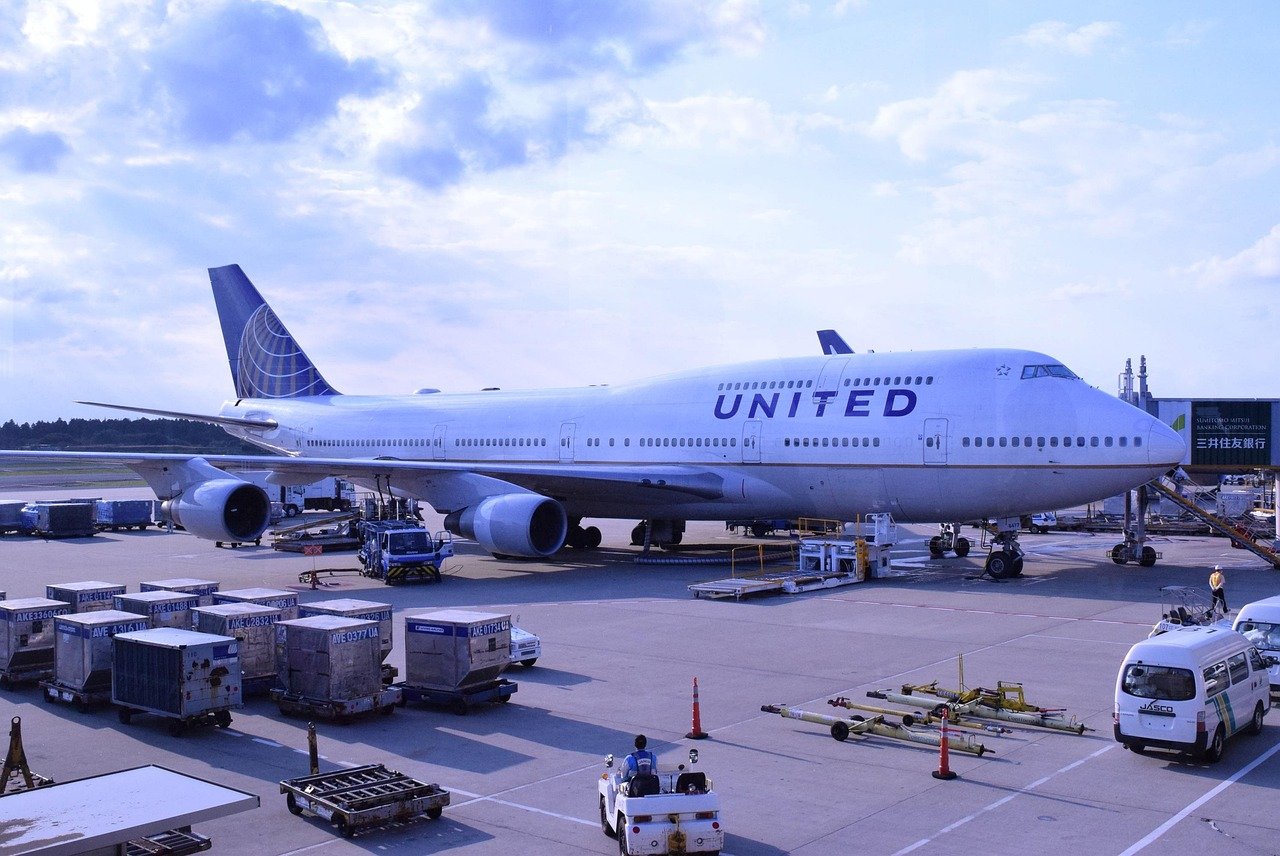
What Led to the Emergency Diversion?
On a seemingly routine flight, United Airlines Flight UA770 made headlines due to an unexpected emergency diversion. Passengers on board were caught off guard as the aircraft, en route from Los Angeles to Chicago, abruptly changed course mid-air. According to official airline sources, the diversion was prompted by a medical emergency involving a passenger, but initial confusion led many to speculate mechanical issues or other in-flight threats.
The incident occurred on [insert date if available], with the aircraft being a Boeing 737 MAX, operated by seasoned United Airlines crew. Flight data from aviation trackers shows that UA770 made a sharp deviation approximately halfway through its journey, ultimately landing safely at Denver International Airport.
Understanding Emergency Diversions
Why Do Aircraft Divert Mid-Flight?
An emergency diversion is when a flight must alter its planned route and land at the nearest suitable airport due to unforeseen circumstances. The most common reasons include:
-
Medical emergencies
-
Technical or mechanical malfunctions
-
Security threats
-
Weather disruptions
In the case of United Airlines Flight UA770, the airline confirmed that a passenger fell critically ill mid-flight. FAA regulations allow pilots to make immediate decisions prioritizing passenger safety, and this includes unscheduled landings if necessary.
How Airlines Handle Medical Emergencies in the Air
Safety Protocols and Cabin Crew Training
Commercial airlines like United Airlines maintain stringent safety and emergency response protocols. Flight attendants are trained in first aid, CPR, and how to manage medical emergencies until the aircraft can land or a doctor onboard steps in.
For Flight UA770, eyewitness accounts suggest the crew responded promptly and professionally. Oxygen tanks were deployed, and the pilot communicated with air traffic control to reroute the flight to Denver, where emergency medical services awaited on the ground.
What Happens After an Emergency Diversion?
The Chain of Events That Follows
Once an aircraft is diverted, several processes are set in motion:
-
Emergency response teams are dispatched to meet the plane.
-
The affected passenger receives immediate care.
-
Flight crew and airline officials coordinate with passengers for rebooking or continuation of travel.
-
Maintenance checks are conducted if technical issues were involved.
-
Reports are filed with the FAA and internal airline safety boards.
In the UA770 incident, United Airlines swiftly assisted passengers with connecting flights and ensured minimal delays, maintaining a high standard of customer care despite the disruption.
Impact on Passengers: Delays, Rebookings, and Reactions
What Travelers Should Expect During Unexpected Diversions
Diversions can be stressful, especially when little information is provided in real time. Passengers on UA770 described a mix of confusion and concern, particularly before the official announcement was made. However, once the nature of the emergency was disclosed, most travelers expressed empathy for the affected individual.
United Airlines offered meal vouchers, hotel accommodations, and expedited rebooking options for those significantly delayed. In addition, the airline’s app and support team helped passengers stay informed throughout the ordeal.
How Often Do Emergency Diversions Happen?
Putting the UA770 Incident in Context
Emergency diversions are not common, but they are also not rare. According to FAA statistics, about 1 in every 600 flights experience some form of diversion — mostly due to weather or minor technical issues. Medical emergencies, like the one on UA770, account for around 7% of all diversions.
The aviation industry takes every precaution to minimize risk, and incidents like this demonstrate the robustness of contingency planning in commercial aviation.
Passenger Rights During Diversions
What You’re Entitled to When Plans Go Off-Track
When a flight is diverted, passenger rights vary depending on the airline’s policy, country of departure, and nature of the diversion. For U.S.-based flights:
-
Airlines are not legally required to compensate for emergency diversions.
-
However, many offer goodwill gestures, such as travel vouchers, refunds, or accommodation.
-
You can request proof of delay for insurance or work purposes.
United Airlines, in this case, reportedly offered fair compensation to those who missed connections or experienced overnight delays due to Flight UA770’s diversion.
What Can You Do as a Passenger?
Staying Calm and Informed During Emergencies
If you’re ever in a similar situation, here are a few proactive steps you can take:
-
Remain calm and follow crew instructions.
-
Use the airline app for real-time updates.
-
Notify your contacts of delays as soon as possible.
-
Carry basic travel insurance that covers missed connections and emergencies.
Most importantly, understand that the safety and health of passengers always take priority, even if it means temporary discomfort or delay.
Lessons Learned from Flight UA770
What the Industry and Passengers Can Take Away
The UA770 emergency diversion is a powerful reminder of the unpredictability of air travel. It also highlights:
-
The efficiency of airline safety protocols
-
The importance of having trained staff onboard
-
The need for clear communication during emergencies
-
The growing role of technology in managing and informing passengers
For aviation professionals, it serves as another case study in flight safety management. For passengers, it reinforces the value of preparation, empathy, and trust in the crew’s expertise.
Final Thoughts: Transparency, Trust, and Travel Preparedness
Air travel, while generally safe and efficient, is not without its surprises. The United Airlines Flight UA770 emergency diversion was handled with professionalism and care — offering reassurance to travelers that when the unexpected happens, airlines are ready.
Whether you’re a frequent flyer or an occasional traveler, stories like this remind us to pack patience, flexibility, and understanding alongside our carry-on. At the end of the day, a safe landing — even an unplanned one — is always the best outcome.
