



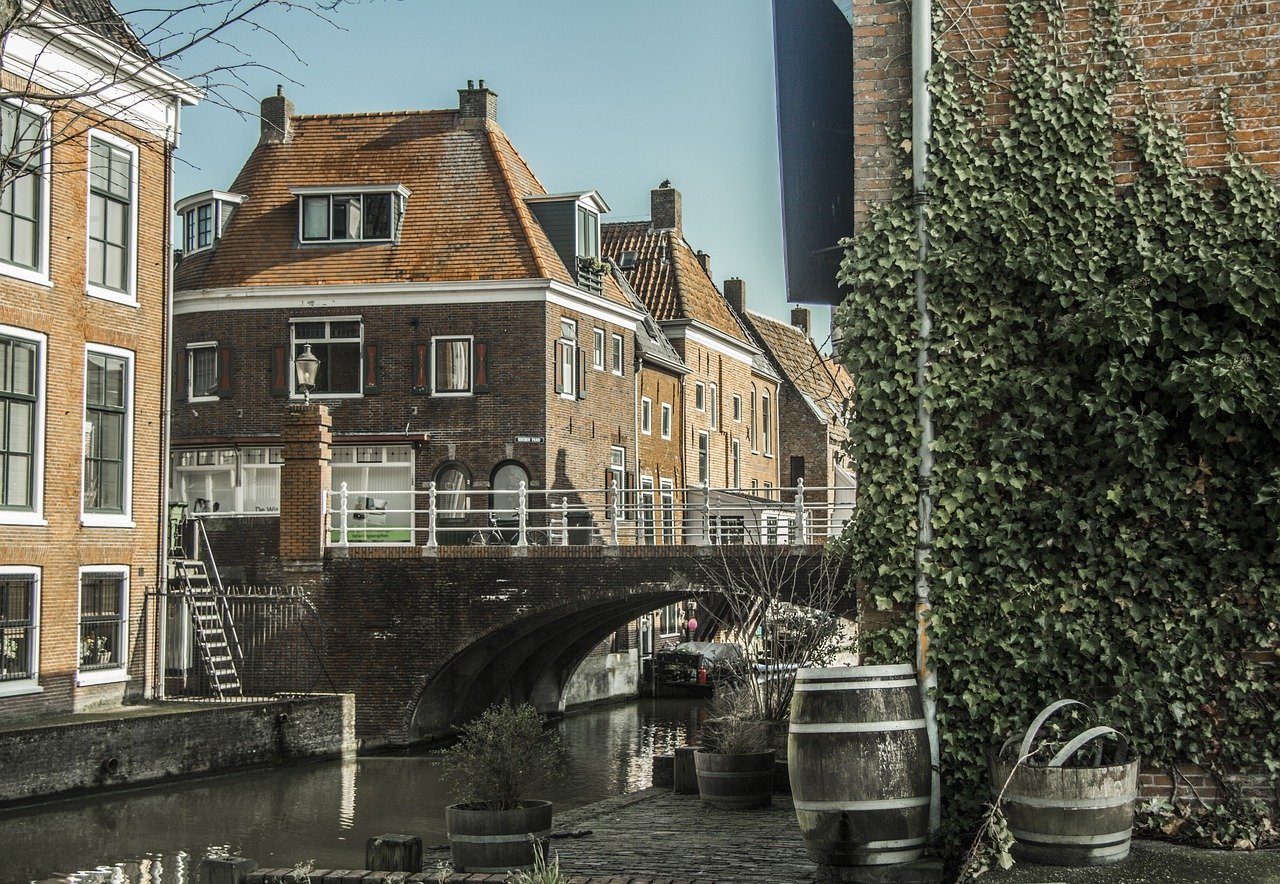
H1: Exploring Holland: A Captivating Blend of Culture, History, and Scenic Beauty
H2: Understanding What “Holland” Really Means
H3: Holland vs. the Netherlands – The Common Confusion
Many people use the term “Holland” when they actually mean “the Netherlands.” While not technically incorrect in casual conversation, it’s important to know the distinction. Holland refers specifically to two of the country’s twelve provinces: North Holland (Noord-Holland) and South Holland (Zuid-Holland). These provinces are home to some of the nation’s most famous cities, such as Amsterdam, Rotterdam, and The Hague.
The term “Holland” became widely used because these regions were historically the most powerful and economically significant. Today, however, the correct term for the country is “the Netherlands.” Still, the word “Holland” continues to be used informally—especially in tourism and branding.
H2: The Heart of Holland: Cities That Define the Region
H3: Amsterdam – A City of Canals, Culture, and Creativity
Amsterdam, located in North Holland, is arguably the most well-known city in the country. It’s a city of contrasts—where centuries-old canals and architecture coexist with modern art, lively nightlife, and innovative businesses. Whether you’re admiring Rembrandt’s masterpieces at the Rijksmuseum, exploring Anne Frank’s House, or cruising along the canal ring (a UNESCO World Heritage site), Amsterdam offers a uniquely enriching experience.
H3: Rotterdam – The Modern Face of South Holland
While Amsterdam celebrates its history, Rotterdam boasts modernity. After being heavily bombed during World War II, Rotterdam reinvented itself with cutting-edge architecture and urban planning. Highlights include the Cube Houses, the Erasmus Bridge, and the Markthal. It’s a city that exemplifies resilience and innovation—traits deeply ingrained in Holland’s identity.
H3: The Hague – Political Power and Peacekeeping
Also located in South Holland, The Hague is the seat of the Dutch government and the home of the International Court of Justice. Though not the capital (Amsterdam holds that title), it’s the political heart of the country. Its elegant architecture, international institutions, and seaside resort Scheveningen make it a well-rounded destination.
H2: Holland’s Cultural Charm
H3: A Rich Artistic Heritage
Holland has produced some of the most celebrated artists in history, including Vincent van Gogh, Rembrandt van Rijn, and Johannes Vermeer. You can explore their works in world-class museums like the Van Gogh Museum and Mauritshuis. Dutch art is known for its emotional depth, realism, and innovation—characteristics that reflect the spirit of the region.
H3: Traditional Dutch Experiences
From wooden clogs to windmills and tulip fields, Holland is a region steeped in traditions. Visit Zaanse Schans to witness traditional crafts and architecture or stroll through Keukenhof during spring to see one of the largest flower gardens in the world. These experiences offer a window into a simpler, yet deeply meaningful way of life.
H2: Holland’s Natural Beauty and Outdoor Life
H3: A Cyclist’s Paradise
Holland is famously flat, making it one of the best places in the world for cycling. The region boasts more than 30,000 kilometers of dedicated bike paths. Whether you’re biking along the coastline, through tulip fields, or across ancient towns, cycling in Holland is both a mode of transport and a cultural experience.
H3: Waterways, Beaches, and Dunes
Beyond the iconic canals of Amsterdam, Holland features a range of aquatic landscapes. The North Sea beaches along South Holland are popular summer retreats. Scheveningen and Zandvoort are two beloved coastal towns where locals and tourists alike enjoy sunbathing, kite surfing, and beachside dining.
H3: Sustainable Living Close to Nature
Holland leads in sustainable development. Many towns incorporate green architecture, eco-friendly transport, and nature reserves into urban planning. Areas like the Biesbosch National Park and the dunes of Meijendel offer immersive outdoor experiences just minutes from city life.
H2: Gastronomic Delights of Holland
H3: From Gouda to Stroopwafels
Dutch cuisine may not have the global fame of French or Italian food, but it has its own distinct charm. Cheese is central—especially in towns like Gouda and Edam. Markets still function much as they did centuries ago, selling rounds of cheese the old-fashioned way.
Then there’s the famous stroopwafel—a thin, caramel-filled waffle that’s become a favorite worldwide. Other must-try items include bitterballen (deep-fried meatballs), haring (raw herring), and poffertjes (mini pancakes).
H3: A Modern Twist on Dutch Cooking
In cities like Amsterdam and Rotterdam, modern Dutch cuisine is flourishing. Chefs are redefining traditional dishes using local, seasonal ingredients. Vegan options, zero-waste kitchens, and fusion cuisine reflect the innovative spirit of Holland’s culinary scene.
H2: Festivals and Events That Bring Holland to Life
H3: King’s Day – A Nation Turns Orange
Every April 27, Holland erupts into celebration for King’s Day (Koningsdag). Streets become filled with orange-clad revelers, flea markets pop up in every neighborhood, and boats crowd the canals. It’s the best time to experience Dutch gezelligheid—a term that roughly translates to coziness and good vibes among people.
H3: Tulip Season and Flower Parades
Holland’s spring is a floral spectacle. From March to May, the tulip fields in North and South Holland burst into color. The Bloemencorso Bollenstreek (flower parade) showcases floats adorned with millions of blooms, drawing visitors from all over the world.
H3: Art and Music Festivals
Whether you’re into classical music, jazz, or electronic dance, Holland offers something for every taste. Events like the North Sea Jazz Festival, Amsterdam Dance Event (ADE), and Oerol Festival on the island of Terschelling highlight the country’s rich artistic and cultural diversity.
H2: Holland as a Travel Destination
H3: Efficient Transport and Accessibility
Holland is compact and incredibly well-connected. High-speed trains, trams, buses, and ferries make getting around effortless. You can base yourself in one city and explore much of the region on day trips, thanks to its efficient infrastructure.
H3: Hospitality and Multilingual Locals
English is widely spoken, especially in Holland’s urban centers. The Dutch are known for their openness, friendliness, and straightforwardness. Whether you’re dining in a café or asking for directions, you’ll rarely struggle to communicate.
H3: Holland’s Accommodation Options
From historic canal-side hotels to eco-lodges and quirky Airbnb stays, Holland caters to all travel styles and budgets. The concept of “gezellig” often extends to the decor and ambiance, giving even the simplest guesthouse a warm and welcoming feel.
H2: The Future of Holland
H3: Green Innovation and Urban Planning
Holland is at the forefront of sustainable living. Floating homes, energy-neutral buildings, and innovative water management systems are just some of the ways this region is adapting to climate change. Cities like Rotterdam are becoming blueprints for the resilient, climate-proof cities of the future.
H3: A Digital and Globalized Hub
Thanks to its strong infrastructure and international outlook, Holland is a hotspot for startups and tech companies. Amsterdam, in particular, is emerging as one of Europe’s leading tech hubs, attracting talent and investment from across the globe.
H2: Final Thoughts: Why Holland Is More Than a Postcard
Holland is far more than tulips, windmills, and canals—though those iconic images do have their charm. It’s a region that balances tradition with innovation, urban energy with natural tranquility, and local character with global connections. Whether you’re visiting for a week or dreaming of a deeper cultural dive, Holland offers more than just a trip—it offers an experience that stays with you.
So next time you hear someone mention Holland, you’ll know it’s more than just a name—it’s a dynamic, welcoming, and endlessly fascinating place.
Would you like me to convert this into a downloadable format (PDF or Word)? Or provide a shorter version for social sharing or blog snippets?
