



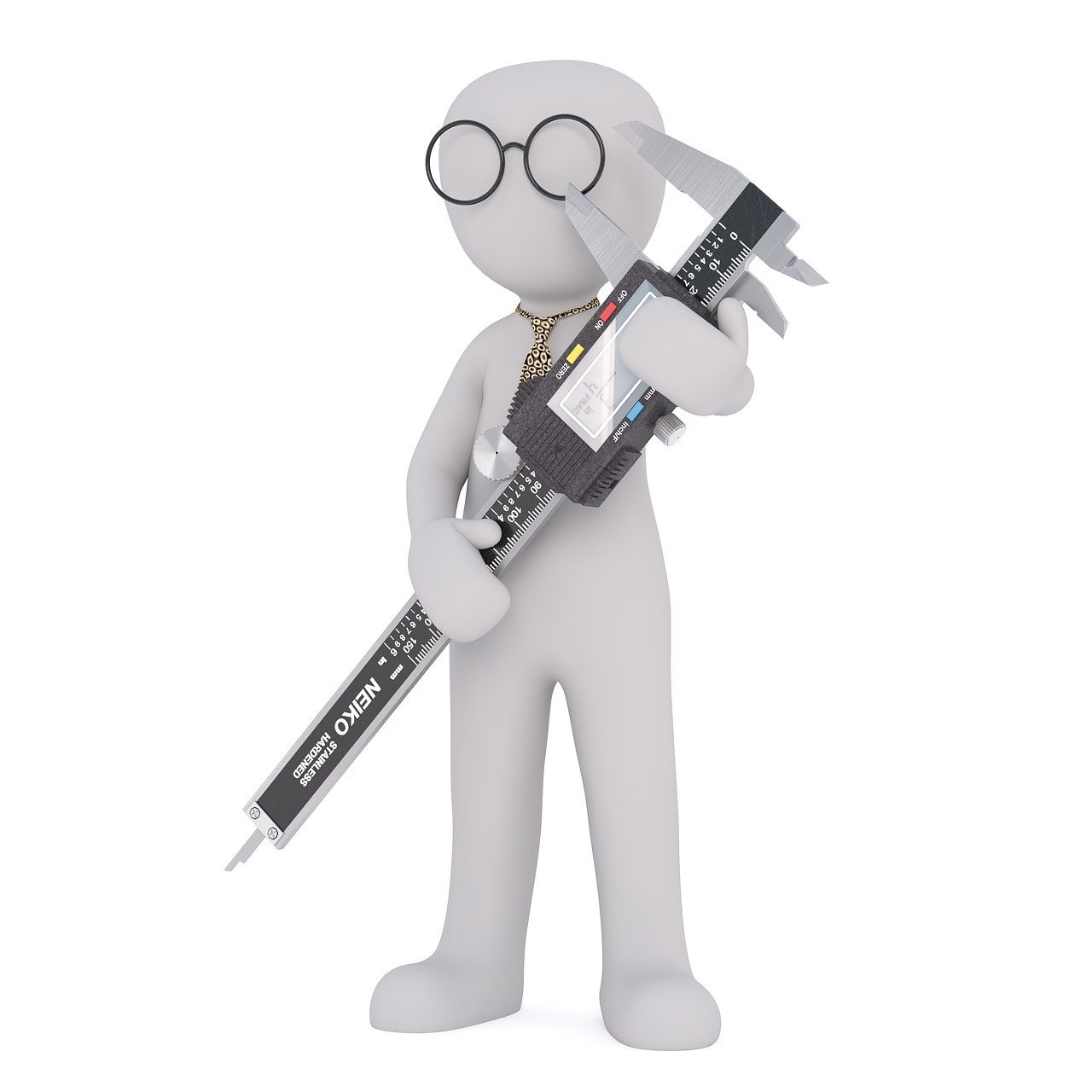
Precision Matters: Choose the Right Caliper
Introduction
In any workshop—whether professional, industrial, or hobbyist—accuracy is the foundation of quality workmanship. One of the most essential tools for achieving this accuracy is the caliper measuring tool. From metal fabrication to woodworking, and from engineering prototypes to automotive repairs, calipers help ensure that every part fits, functions, and performs as intended. But with so many types, features, and specifications available, choosing the right caliper can feel overwhelming.
This guide breaks down the process in a clear, practical way. You’ll learn how different calipers work, what features really matter, and how to select the best tool for your specific workshop needs.
What Is a Caliper Measuring Tool?
A caliper measuring tool is a precision instrument designed to measure distance between two opposite sides of an object. Calipers can take multiple types of measurements, including:
-
Outside dimensions (e.g., width, diameter)
-
Inside dimensions (e.g., hole diameter)
-
Depth measurements
-
Step measurements
Their versatility makes them indispensable in machining, engineering, mechanical repair, and manufacturing.
Types of Calipers (and When to Use Each)
1. Vernier Calipers
Best for: Skilled users needing high accuracy at a low cost.
Vernier calipers use a sliding scale (the Vernier scale) to provide precise measurements, often up to 0.02 mm or 0.001″. They contain no electronics, which means they’re reliable in harsh environments such as oily workshops or areas with temperature fluctuation.
Pros:
-
Very durable
-
No batteries required
-
Affordable with excellent precision
Cons:
-
Requires skill to read accurately
-
Slower to interpret compared to digital types
Real-world example: A machinist verifying the thickness of a custom metal plate might choose a Vernier caliper because it remains accurate even when exposed to coolant or oil.
2. Dial Calipers
Best for: Users who prefer analog readability without digital components.
Dial calipers feature a mechanical dial that shows measurements precisely, usually to 0.01 mm or 0.001″. The rotating needle offers clear visual feedback.
Pros:
-
Easy-to-read display
-
Good accuracy for most workshop tasks
-
No batteries or electronics
Cons:
-
Can be affected by shock or vibration
-
Requires periodic calibration
Use case: A woodworker cutting furniture joints can quickly check dimensions using a dial caliper without worrying about battery life.
3. Digital Calipers
Best for: Beginners, general workshop use, and fast reading in low-light or high-volume environments.
Digital calipers display measurements on an electronic screen, often to 0.01 mm or 0.0005″. Some models switch between metric and imperial with a button press, store measurements, or even connect via Bluetooth to computers for data logging.
Pros:
-
Extremely easy to read
-
Fast switching between units
-
Advanced features like data transfer
Cons:
-
Sensitive to moisture
-
Battery required
-
Electronics may fail in harsh environments
Use case: Engineers who need to record repeated measurements for quality control often choose digital calipers with data output functionality.
4. Specialty Calipers
Depending on your workshop needs, you may also encounter specialized calipers such as:
-
Inside calipers: Optimized for inner measurements
-
Outside calipers: Simple mechanical design for external dimensions
-
Odd-leg (hermaphrodite) calipers: Used in metalworking for marking lines
-
Micrometer calipers: Ultra-precise, typically used when tolerances under 0.01 mm matter
These specialized tools excel in niche applications where standard calipers may not reach or measure reliably.
Key Factors to Consider When Choosing a Caliper Measuring Tool
Accuracy and Resolution
The first question to ask is: How precise do your measurements need to be?
-
Hobby woodworking may require only ±0.1 mm accuracy.
-
Metal machining often demands ±0.02 mm or better.
Digital calipers generally offer the best readability and consistent accuracy, while Vernier and dial calipers maintain precision even under tough conditions.
Material and Durability
High-quality calipers are typically made of stainless steel, providing excellent stability and resistance to corrosion. Plastic calipers are inexpensive but suitable only for lightweight, non-critical tasks.
If your workshop involves coolant, oil, or metal shavings, choose a model specifically rated for industrial environments.
Measuring Range
Standard calipers measure up to 150 mm (6″). Larger models—200 mm (8″) or 300 mm (12″)—are available for bigger projects. Choose based on the typical size of your workpieces.
Ease of Use
Digital calipers are the easiest to read, making them ideal for beginners. Vernier models require more skill, but offer unmatched reliability.
If speed matters, consider:
-
Digital calipers for quick readings
-
Dial calipers for visual clarity without electronics
Extra Features
Modern calipers may include:
-
Zero-setting at any position
-
Automatic shutoff (saves battery)
-
Data output (USB/Bluetooth for QC jobs)
-
IP54/IP67 waterproof ratings (important for machining environments)
Budget
A good caliper doesn’t have to be expensive, but quality often correlates with price.
-
Basic plastic caliper: Very low cost, low durability
-
Entry-level metal caliper: Great for hobbyists
-
Professional-grade digital caliper (e.g., Mitutoyo): For precision-critical tasks
Practical Tips for Using Your Caliper Correctly
Always Zero Before Use
Before taking measurements, close the jaws fully and press the “zero” button (or align the Vernier scale). This ensures accuracy.
Apply Consistent Pressure
Too much force can distort the reading. Many professionals use the “feel technique”—gentle contact is all that’s needed.
Keep It Clean
Particles or dust on the jaws can lead to incorrect measurements. Wipe with a lint-free cloth after each use.
Store Properly
Use the provided case and avoid dropping. Dial and digital calipers are particularly sensitive to impact.
Common Mistakes to Avoid
-
Using digital calipers in wet environments without proper sealing
-
Measuring hot workpieces, which can expand and skew readings
-
Neglecting calibration, especially for dial and Vernier calipers
-
Using plastic calipers for precision tasks where small tolerances matter
Avoiding these mistakes ensures reliable measurements and extends tool life.
Real-World Examples: Which Caliper Fits Which Workshop?
Metalworking Shop
A digital caliper with IP67 waterproof protection works best because coolant exposure is common. High accuracy is essential when machining metal components.
Woodworking Shop
A dial caliper or mid-range digital caliper provides fast, reliable measurements without needing ultra-precise tolerances.
Automotive Workshop
A rugged stainless-steel digital caliper is ideal for measuring brake rotors, bolts, bushings, or engine parts.
Maker or DIY Workshop
Budget-friendly digital calipers offer ease of use and accuracy for 3D printing, electronics, and general crafting.
Conclusion
Choosing the right caliper measuring tool is essential for accuracy, efficiency, and quality in any workshop. By understanding the differences between Vernier, dial, digital, and specialty calipers—and considering factors like accuracy, material, ease of use, and durability—you can confidently select a tool that suits your workflow and environment.
A high-quality caliper is more than a measuring device—it’s an investment in precision. Whether you’re a machinist, woodworker, mechanic, or DIY enthusiast, the right caliper will help ensure your projects fit together perfectly, function reliably, and meet the highest standards.
If you prioritize durability, aim for stainless steel. If ease of reading matters most, choose digital. And if you want a long-lasting, no-battery option, a Vernier or dial caliper may be your best companion.
Whichever route you take, precision starts with the right tool—and now you’re equipped to make the best choice.
