



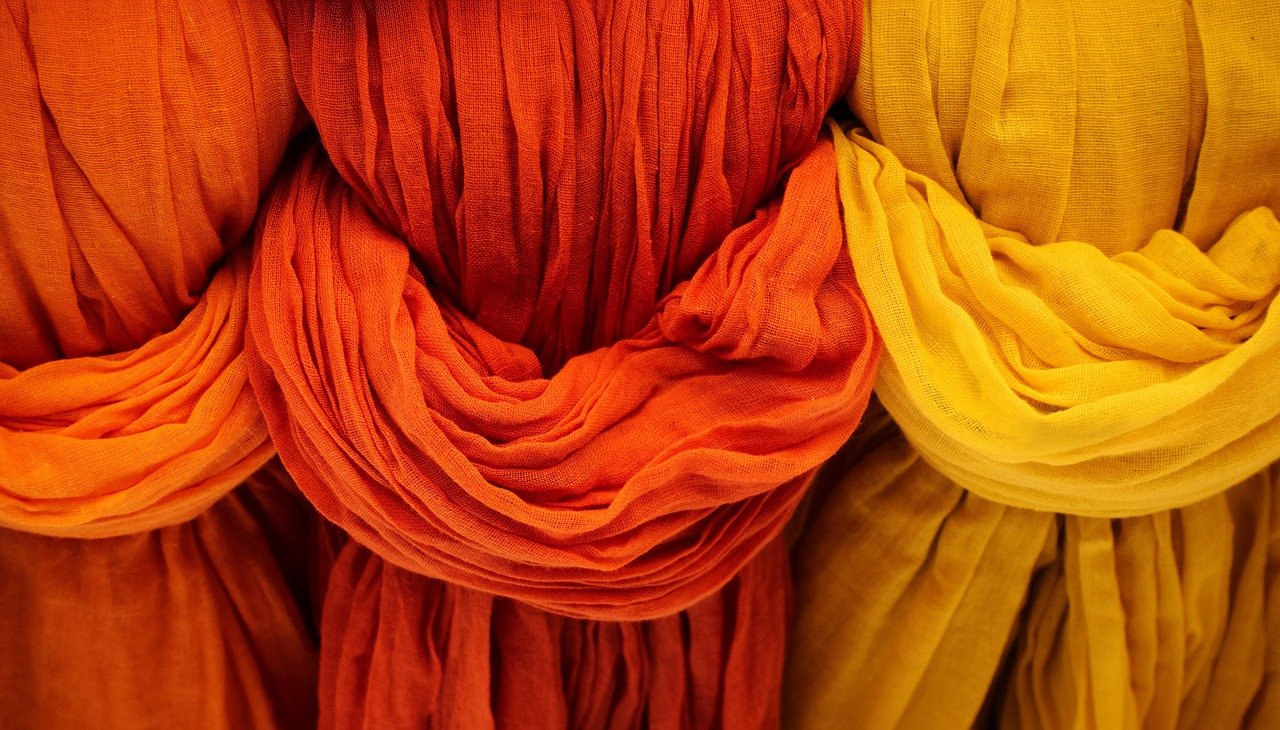
When the summer sun is blazing and you want to enjoy your patio or balcony without turning into toast, a markiseteppe can be a lifesaver. But beyond providing shade, the right awning fabric transforms an outdoor space into a cozy, stylish extension of your home. In this guide, you’ll learn exactly what a markiseteppe is, what to look for when choosing one, the different types available, how to maintain it, and tips to get the most out of your investment.
What Is a Markiseteppe?
Understanding the Basics
A markiseteppe, or awning fabric, is the material stretched over an awning frame to provide shade and shelter. It acts as a barrier against the sun’s harsh rays, reduces indoor temperatures, and adds privacy to balconies and terraces. Many people overlook the importance of the fabric itself, but it’s actually the most critical part of any awning system.
Why It Matters
The wrong fabric can fade, tear, or mold quickly, leaving you with an unsightly and ineffective awning. On the other hand, a high-quality markiseteppe can last for years, maintain its vibrant colors, and withstand changing weather conditions.
Different Types of Markiseteppe
Acrylic Fabric
Acrylic is one of the most popular choices for markiseteppe. It’s durable, resistant to fading, and handles UV exposure well. Acrylic fabrics are often dyed before they’re woven, which means the color penetrates deep into the fibers, ensuring better colorfastness over time.
Polyester Fabric
Polyester is typically more affordable and lightweight than acrylic. It can be coated for extra water resistance and UV protection, but it usually doesn’t last as long as high-quality acrylic. However, new technologies have made modern polyester markisetepper much more durable than older versions.
PVC-Coated Fabric
PVC-coated fabrics are heavy-duty, waterproof, and ideal for areas that get lots of rain. They’re easy to clean and highly durable but might lack the softness and natural look of woven fabrics. For commercial spaces or outdoor dining areas, this type of markiseteppe is often preferred.
Natural Fabrics
In the past, natural cotton canvas was widely used for awnings. While it has a classic look, untreated cotton is prone to mildew and fading. Today, cotton is rarely chosen unless it’s specially treated or used in historical restorations.
Factors to Consider When Choosing a Markiseteppe
Climate and Weather Conditions
Your local climate plays a big role in deciding which fabric is best. If you live somewhere sunny and dry, UV resistance should be your top priority. For rainy regions, look for a waterproof or water-repellent markiseteppe.
Color and Design
Don’t underestimate the impact of color. Light-colored fabrics reflect sunlight and heat better, keeping your shaded area cooler. Darker colors may absorb more heat but can offer better glare protection. Stripes, solids, or bold patterns can complement your exterior décor and enhance curb appeal.
UV Protection
A good markiseteppe blocks a significant percentage of harmful UV rays, protecting your skin and preventing interior furnishings from fading. Check the UV protection factor when comparing options.
Durability and Warranty
High-quality awning fabrics often come with warranties ranging from 5 to 10 years. This is a good indicator of how confident the manufacturer is in the fabric’s longevity. Investing in a premium markiseteppe can save you money and hassle in the long run.
How to Maintain Your Markiseteppe
Regular Cleaning
Even the best markiseteppe needs regular cleaning. Dust, bird droppings, and pollen can settle on the fabric and stain it over time. Gently brush off debris every few weeks. For deeper cleaning, use mild soap and lukewarm water. Avoid harsh chemicals, which can damage the protective coating.
Seasonal Care
Before winter sets in, retract or remove your awning if possible. Snow and ice can add unnecessary weight and cause the fabric to sag or tear. If you can’t remove it, make sure it’s tightly secured and angled to let water and snow slide off.
Spot Repairs
Small tears or holes can be patched with repair kits designed for awning fabrics. Addressing damage early prevents it from spreading and saves you from replacing the entire markiseteppe prematurely.
Popular Uses for Markiseteppe
Residential Patios and Balconies
Most homeowners install awning fabrics to cover patios, terraces, and balconies. It’s an easy way to create an outdoor room for dining, lounging, or entertaining.
Commercial Outdoor Spaces
Restaurants, cafés, and hotels rely on durable markisetepper to create shaded outdoor seating. The right fabric keeps guests comfortable and adds an inviting atmosphere.
Pergolas and Gazebos
A markiseteppe can be adapted to cover pergolas or garden gazebos, providing flexible shade exactly where you need it.
How to Install a Markiseteppe
DIY or Professional Help?
Some homeowners with the right tools and experience choose to install awnings themselves. However, because improper installation can lead to sagging, poor drainage, or fabric damage, it’s usually best to hire a professional.
Measuring Correctly
Measure the area you want to cover carefully. Consider how far you want the awning to extend and how much vertical drop you need for maximum shade. A fabric that’s too tight can rip, while one that’s too loose will flap in the wind.
Trends in Markiseteppe Designs
Sustainable Materials
Eco-conscious homeowners are increasingly asking for fabrics made from recycled or low-impact materials. Some modern markisetepper are produced with minimal water and energy use, helping reduce environmental footprints.
Smart Awnings
Motorized awnings with sensors are becoming popular. They can retract automatically in strong winds or extend when sunlight hits your windows. These systems extend the life of your markiseteppe by protecting it from unnecessary wear and tear.
Bold Patterns and Custom Prints
While neutral tones are timeless, more homeowners and businesses are choosing bold stripes, geometric patterns, or custom-printed markisetepper to make a unique statement.
Common Mistakes to Avoid
Choosing the Cheapest Option
Saving money upfront by picking the lowest-cost markiseteppe often leads to frustration later. Cheap fabrics tend to fade quickly, tear easily, and might not offer adequate UV protection.
Ignoring Local Weather
Always consider local conditions. A fabric perfect for a mild, dry climate won’t hold up well in heavy rain or coastal winds.
Forgetting About Maintenance
Even the most durable markiseteppe needs occasional care. Forgetting to clean it or store it properly can shorten its lifespan dramatically.
How Much Does a Markiseteppe Cost?
Price Ranges
The cost of a markiseteppe varies based on material, size, brand, and any special coatings. Expect to pay more for high-quality acrylic or PVC-coated fabrics. Custom sizes or patterns also add to the price.
Long-Term Value
While premium fabrics cost more upfront, they generally offer better UV resistance, fade resistance, and warranties — making them the smarter choice over time.
Where to Buy Markiseteppe
Local Retailers
Visit local awning specialists or home improvement stores. Seeing and feeling the fabric samples in person can help you choose the right color and texture.
Online Shops
Many reputable suppliers offer markiseteppe online. Look for detailed product descriptions, customer reviews, and clear warranty terms.
Custom Orders
For unusual sizes or specific design needs, custom ordering is the best route. Many companies allow you to choose colors, patterns, and dimensions to match your space perfectly.
Final Thoughts: Is a Markiseteppe Worth It?
A markiseteppe does more than just block the sun — it adds comfort, style, and value to your home or business. By choosing the right fabric, caring for it properly, and installing it correctly, you can enjoy beautiful shade and protection for years to come.
Whether you’re renovating your backyard, updating your café’s patio, or simply looking for a way to keep your living room cooler in summer, investing in a high-quality markiseteppe is a decision you won’t regret.
